

BLOG
South Africa-Brazil Seminar Highlights Science-Based Solutions for Protein Security
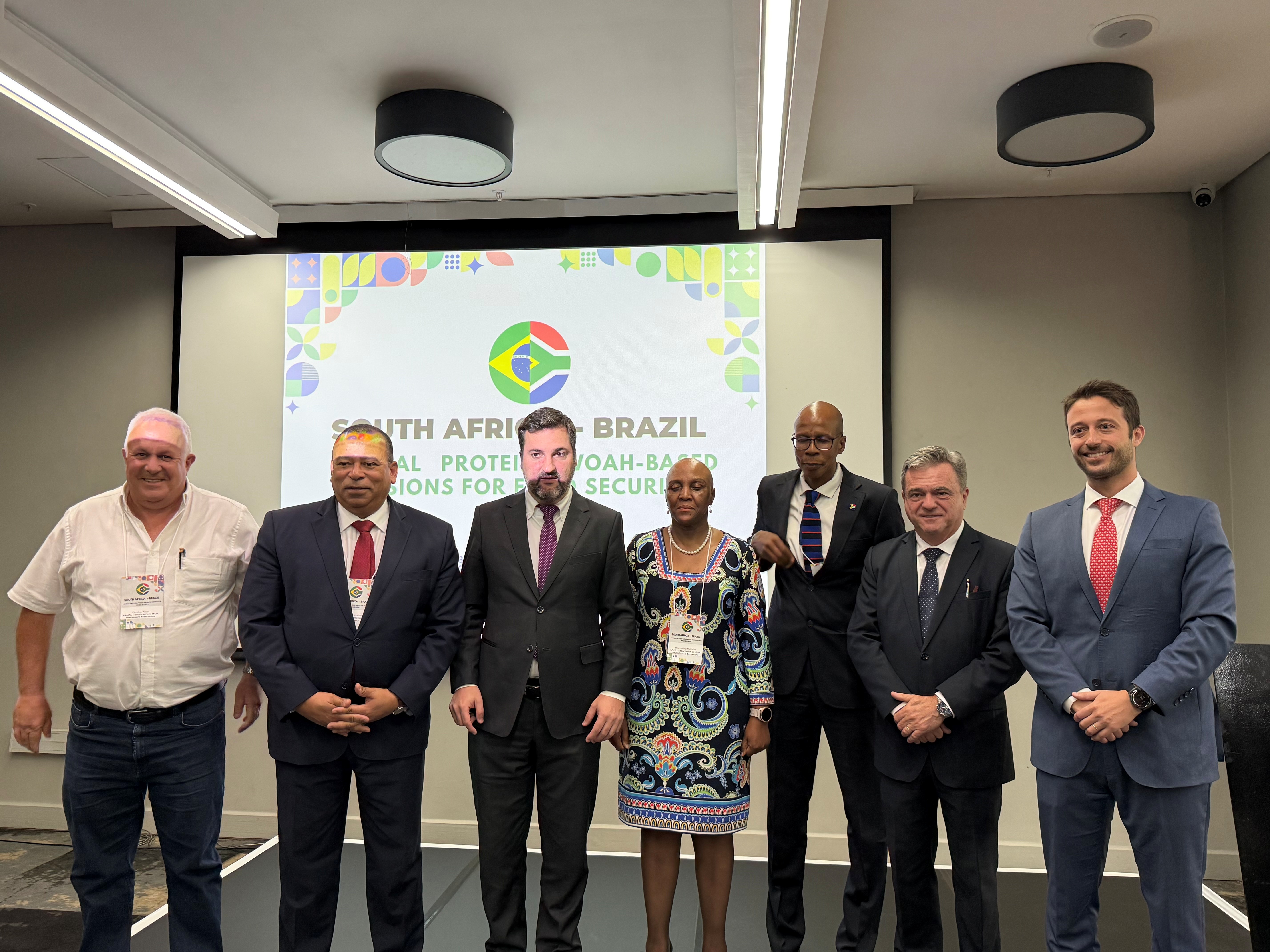
In a high-level bilateral seminar hosted by the Brazilian Embassy and the Brazilian Association of Animal Protein (ABPA), experts from Brazil and South Africa gathered to discuss strategies to strengthen cooperation on protein imports and safeguard food security through science-based veterinary systems.
South Africa relies heavily on imported poultry and pork to maintain affordable protein for millions of households. Recent disruptions due to disease outbreaks, including bird flu and foot-and-mouth disease (FMD), underscored the importance of science-based trade measures and predictable regulatory frameworks.
Brazil’s Regionalisation Approach
Brazil, a global leader in animal protein exports, shared insights on its successful disease containment strategies. Ambassador Benedicto Fonseca Filho emphasised the importance of regionalisation, a method endorsed by the World Organisation for Animal Health (WOAH) that limits trade restrictions only to affected zones rather than entire countries. “By recognising disease-free zones, adopting regionalisation, and grounding decisions in technical data, we protect trade, support consumers, and respect each country’s right to produce and prosper,” the Ambassador said.
Deputy Minister Luis Rua added, “Our sector has invested in traceability, transparency, and continuous improvement. We respect our partners and aim to be part of the solution, especially in moments of uncertainty. Brazil is ready to collaborate on practical, science-based solutions.”
Food Security and Trade Stability
Mooketsa Ramasodi, DG at the Department of Agriculture highlighted the real-world implications of trade disruptions, noting that “when temporary restrictions were applied to chicken imports from Brazil earlier this year, the consequences in local markets were immediate and significant. These impacts are not theoretical, they affect food prices and access for millions of South Africans.”
He also emphasised the importance of bilateral cooperation in strengthening disease surveillance, early-warning systems, and sustainable production methods. “South Africa and Brazil both have strong agricultural capabilities, but also shared vulnerabilities when it comes to animal health, biosecurity, and climate-related risks. Our partnership within the WOAH framework can help ensure resilient food systems while directly benefiting farmers and agribusinesses in both countries,” Ramasodi explained.
Ricardo Santin, President of ABPA, provided technical insights into Brazil’s containment of avian influenza, noting that proactive measures prevented wider outbreaks: “We disinfected affected farms, restricted movement, and implemented strict biosecurity measures. By May, we contained the outbreak, and by June, WOAH recognised Brazil as free of new cases. Preparedness and rapid response are key to keeping trade safe and continuous.”
He stressed that regionalisation is not about lowering standards, but rather applying them with precision: “Regionalisation allows trade to continue from disease-free areas while maintaining safety. It benefits both importing and exporting countries and supports affordable protein for consumers.”
Building a Collaborative Future
The seminar also reviewed bilateral trade trends, noting that between 2020 and 2024, trade between South Africa and Brazil increased by nearly 80%, with exports of poultry and pork products providing millions of meals monthly. Speakers emphasized the need for formal working groups to align on disease surveillance, trade protocols, and regionalisation frameworks.
Ambassador Fonseca Filho concluded, “Brazil and South Africa have much to gain from working closely together. Let us use this platform to exchange ideas, build trust, and create practical solutions that ensure food reaches the tables of our people, even under pressure.”
The seminar highlighted how science-based decisions, transparent communication, and international standards can protect both trade and food security, ensuring that millions of South Africans have access to affordable protein while fostering stronger South Africa-Brazil collaboration.
Temba Msiza, Agbiz
0 COMMENTS
LEAVE A COMMENT