

BLOG
What the excessive rains in Limpopo mean for agriculture
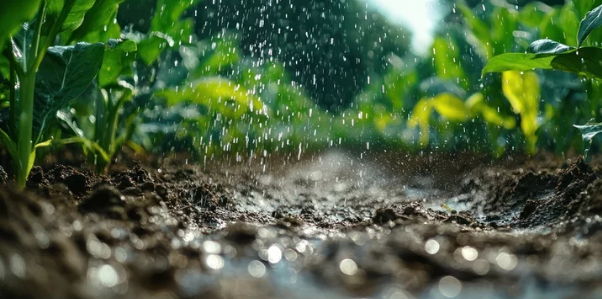
The recent floods in Limpopo are worrying. Amongst other things, Limpopo is a vital horticulture producer in South Africa. We have some major avocado, macadamia nut, litchi, banana, citrus, and mango growers in the region, along with other fruits and vegetables.
We also have some grain production in the province, but it is not substantial. These are among the agricultural activities we will be looking closely at in the coming days to assess the damage from the recent rains.
What remains clear for now is that the damage is substantial to infrastructure and households, and we should soon get a sense of the agricultural impact.
This map shows the soil moisture levels across South Africa, and Limpopo was generally wet even before the floods.

Aside from Limpopo, the agricultural conditions are broadly favourable in South Africa, and the rains have helped.
The weather has been quite tricky this year. As it floods in the north, we see the opposite in the southern regions. We are worried about the dryness in the south-western parts of the Eastern Cape and into the Western Cape.
The Western Cape is a winter-rainfall region, and we hope the province will start receiving its usual rains from the end of April.
But in the Eastern Cape, we should ideally be getting widespread rains now, and to some extent into some regions of the Garden Route. We are now seeing news about water challenges in parts of the Garden Route.
We will closely monitor these weather shocks and regularly provide comments. But for now, it is fair to keep Limpopo on the radar for agricultural risk matters until there is clarity about the impact of the floods.
Email: wandile@agbiz.co.za
0 COMMENTS
LEAVE A COMMENT